Why antiques connect us to the people and places that came before us
A connection across generations
An old wooden desk, a hand-painted dish, or a well-worn suitcase may look ordinary at first glance. But each object has passed through someone’s daily life. Antiques remind us that history is not limited to museums and textbooks. It also lives in the practical things people used, treasured, repaired, and handed down.
Looking beyond the price tag
The appeal of an antique is rarely just its potential market value. A handwritten inscription, an unusual construction technique, or a design associated with a particular decade can make an item worth investigating. Some collectors pursue specific makers or periods, while others simply enjoy discovering pieces that spark a memory. Neither approach requires an enormous budget.
Start with an object and a question
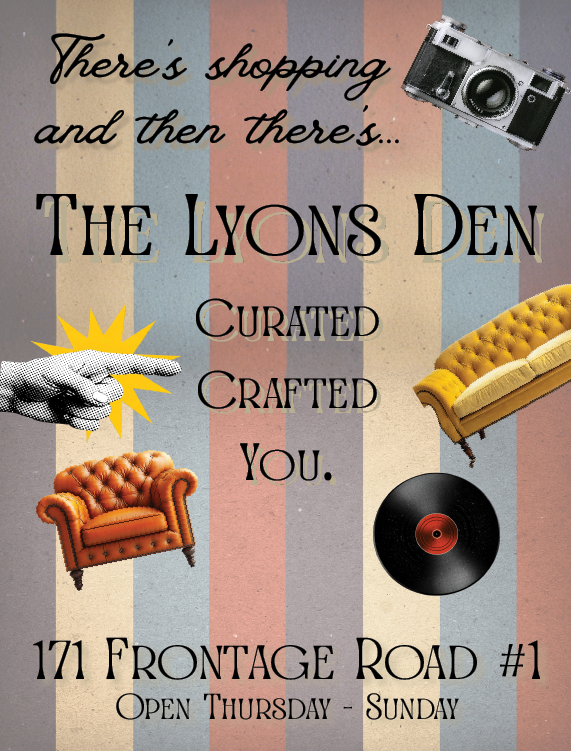
A family photograph or a tool from Lyon’s Den can be the starting point for a little local history. Photograph the front and back, copy any markings exactly, and write down who told you what. For a broader sense of the valley’s history, visit the Pahrump Valley Museum at 401 E. Basin Avenue. Keep your own notes with the object so the next person has somewhere to begin.
Preserving small histories
A useful habit is to ask what can be learned about a piece before restoring or altering it. Labels, signatures, photographs, and family stories can offer clues. Even when an item’s history cannot be verified, preserving what is known helps protect its character. Sometimes the most meaningful discovery is not a rare treasure, but a familiar object that brings the past into the present.